

Get Healthy!
- Posted April 2, 2026
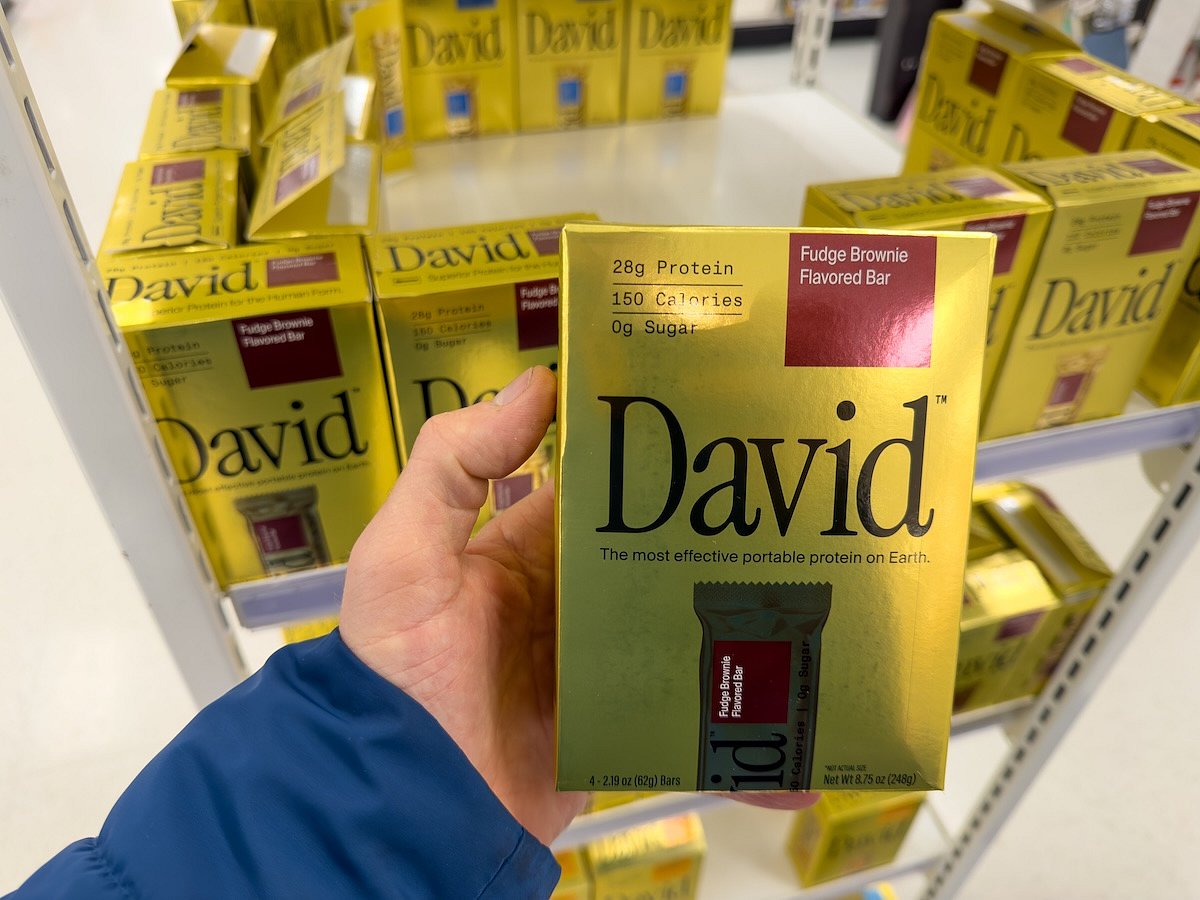
Lawsuit Over Viral David Protein Bars Dropped Without Explanation
A lawsuit claiming popular protein bars had misleading nutrition labels has been dropped, but questions about the bars remain.
The case targeted David bars, which have gained a massive amount of attention online, especially among health and wellness influencers.
Filed in January, the lawsuit claimed independent lab tests showed the bars had 400% more fat and 80% more calories than listed on the label.
The company denied those claims and was pleased that case is over.
"We are pleased this matter has been resolved and look forward to continuing to focus on our customers and our business. We remain confident in the accuracy of our nutrition labeling," the company said in a statement.
Founder Peter Rahal also stood by the product, telling NBC News that “David is 150 calories.”
Earlier, he called the lawsuit "frivolous" and said the calorie calculations used by the plaintiffs were incorrect.
"No one is getting Regina Georged," Rahal wrote on social media, referencing the movie "Mean Girls."
It’s unclear why the three customers who filed the suit in January voluntarily withdrew it.
They gave notice that the case is "voluntarily dismissed, without prejudice," meaning the same complaint could be refiled in the future, according to People magazine.
At the center of the lawsuit was a fat substitute used in the bars called esterified propoxylated glycerol (EPG).
Experts claimed that the ingredient is not fully digested by the body, which changes how calories are counted.
“This ingredient allows you to actually put less fat grams on the food label itself, because it yields 92% less calories than a typical gram of fat would,” Amy Goodson, a registered dietitian, told NBC News.
“It’s resistant to digestive enzymes, so it’s going through your system, but it’s not actually digesting,” she added.
Because of this, the company says its calorie count reflects only what the body absorbs.
More information
ScienceDirect has more on the safety of esterified propoxylated glycerol.
SOURCES: NBC News, March 31, 2026; People, March 31, 2026


